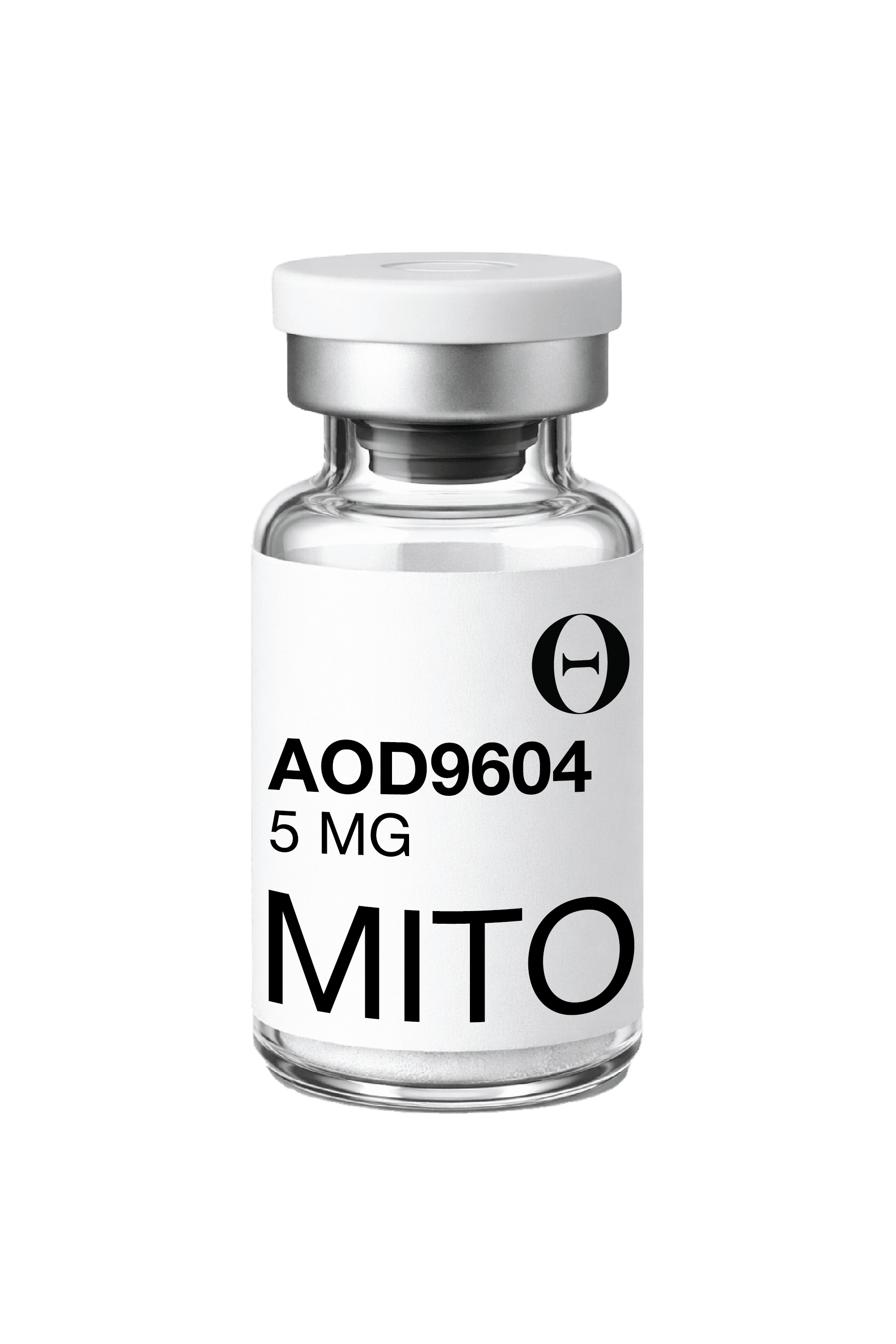
AOD9604 5mg
Growth hormone fragment for targeted fat reduction — stimulates lipolysis and inhibits lipogenesis without affecting blood sugar or growth.
In Stock
SKU: ML-AOD9604-5MG
💰 Volume Discounts:
Buy 3+ vials = 10% off · Buy 5+ vials = 15% off
AOD9604 is a modified fragment of human growth hormone (amino acids 176-191) specifically engineered to retain the fat-metabolising properties of HGH without its growth-promoting or diabetogenic effects. Originally developed by Monash University, AOD9604 reached Phase IIa clinical trials for obesity treatment. It stimulates lipolysis (fat breakdown) and inhibits lipogenesis (fat creation) through beta-3 adrenergic receptor upregulation in adipose tissue — making it one of the most targeted fat-loss peptides available.
Research References
Increase of fat oxidation and weight loss in obese mice caused by chronic treatment with human growth hormone or a modified C-terminal fragment
Foundational study showing AOD9604 significantly reduced body weight gain in obese mice by increasing fat oxidation — without causing hyperglycaemia, reducing insulin secretion, or activating the hGH receptor.
The effects of human GH and its lipolytic fragment (AOD9604) on lipid metabolism following chronic treatment in obese mice and beta(3)-AR knock-out mice
Demonstrated that AOD9604 reduces body weight and fat by upregulating beta-3 adrenergic receptor expression in adipose tissue, restoring lipolytic sensitivity in obese mice.
AOD-9604 Metabolic
Drug development review confirming AOD-9604 entered Phase IIa clinical trials for obesity treatment, documenting its advancement into human clinical testing.
Effect of Intra-articular Injection of AOD9604 with or without Hyaluronic Acid in Rabbit Osteoarthritis Model
Intra-articular AOD9604 enhanced cartilage regeneration in an osteoarthritis model. Combined with hyaluronic acid, it was significantly more effective than either treatment alone.
Current updates in the medical management of obesity
Comprehensive review of anti-obesity medications positioning AOD9604 among compounds that reduce adiposity at the molecular level.
Obesity drugs in clinical development
Categorized AOD-9604 as a human growth hormone fragment that increases adipose tissue breakdown, placing it in the active clinical development pipeline alongside rimonabant and exenatide.
Potential role of new therapies in modifying cardiovascular risk in overweight patients with metabolic risk factors
Mayo Clinic review noting AOD9604 was in clinical trials as a drug that improves adipose tissue function and fatty acid metabolism, with potential to reduce cardiovascular risk.
Human Growth Hormone Fragment 176-191 Peptide Enhances the Toxicity of Doxorubicin-Loaded Chitosan Nanoparticles Against MCF-7 Breast Cancer Cells
Novel application showing hGH fragment 176-191 can enhance anti-cancer drug delivery efficacy, demonstrating the fragment has tumor-targeting binding properties beyond its lipolytic effects.
Related Products
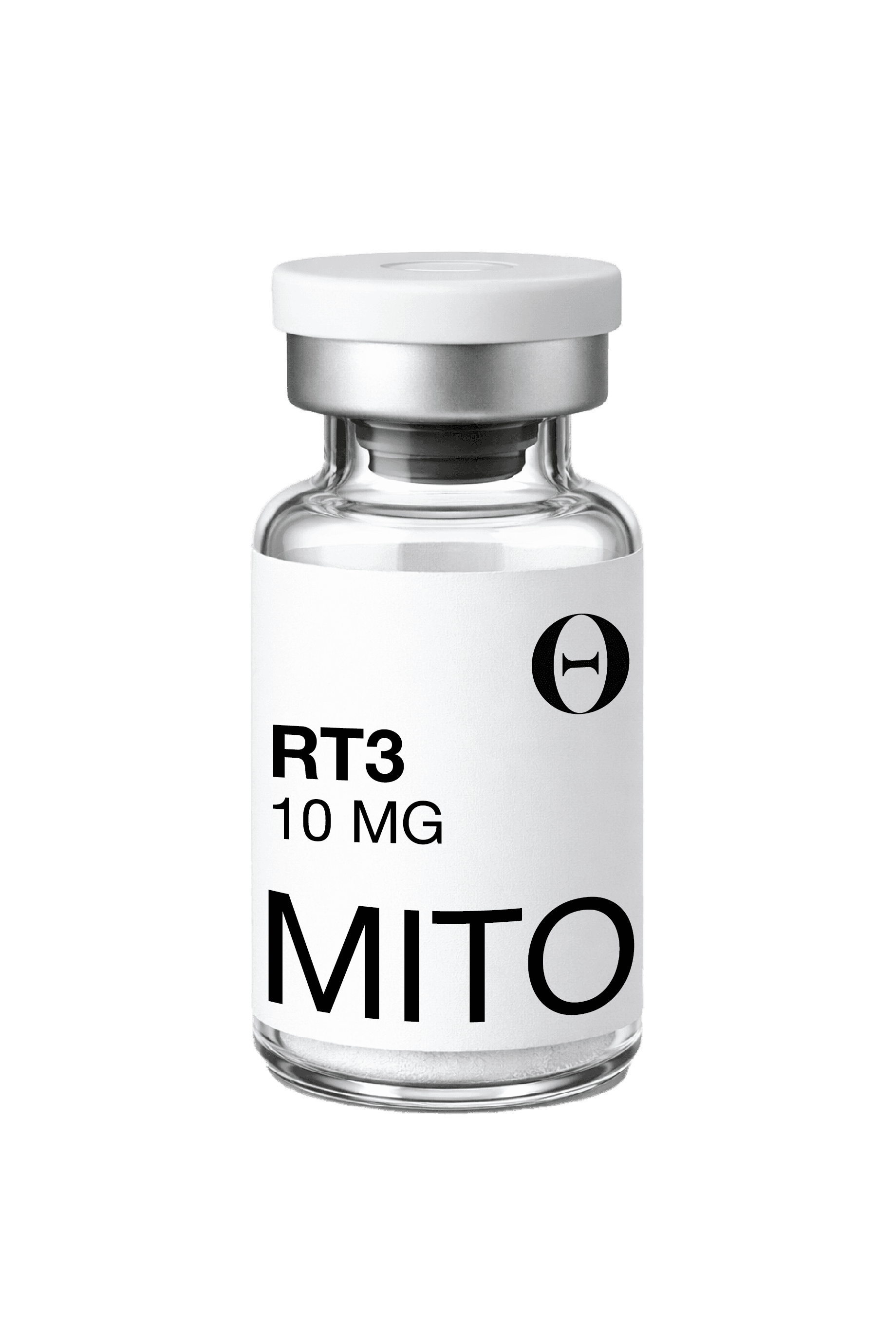
FeaturedRetatrutide (RT3-GLP) 10mg
Next-generation triple hormone agonist (GLP-1/GIP/Glucagon) — Phase II trials show up to 24% body weight reduction.

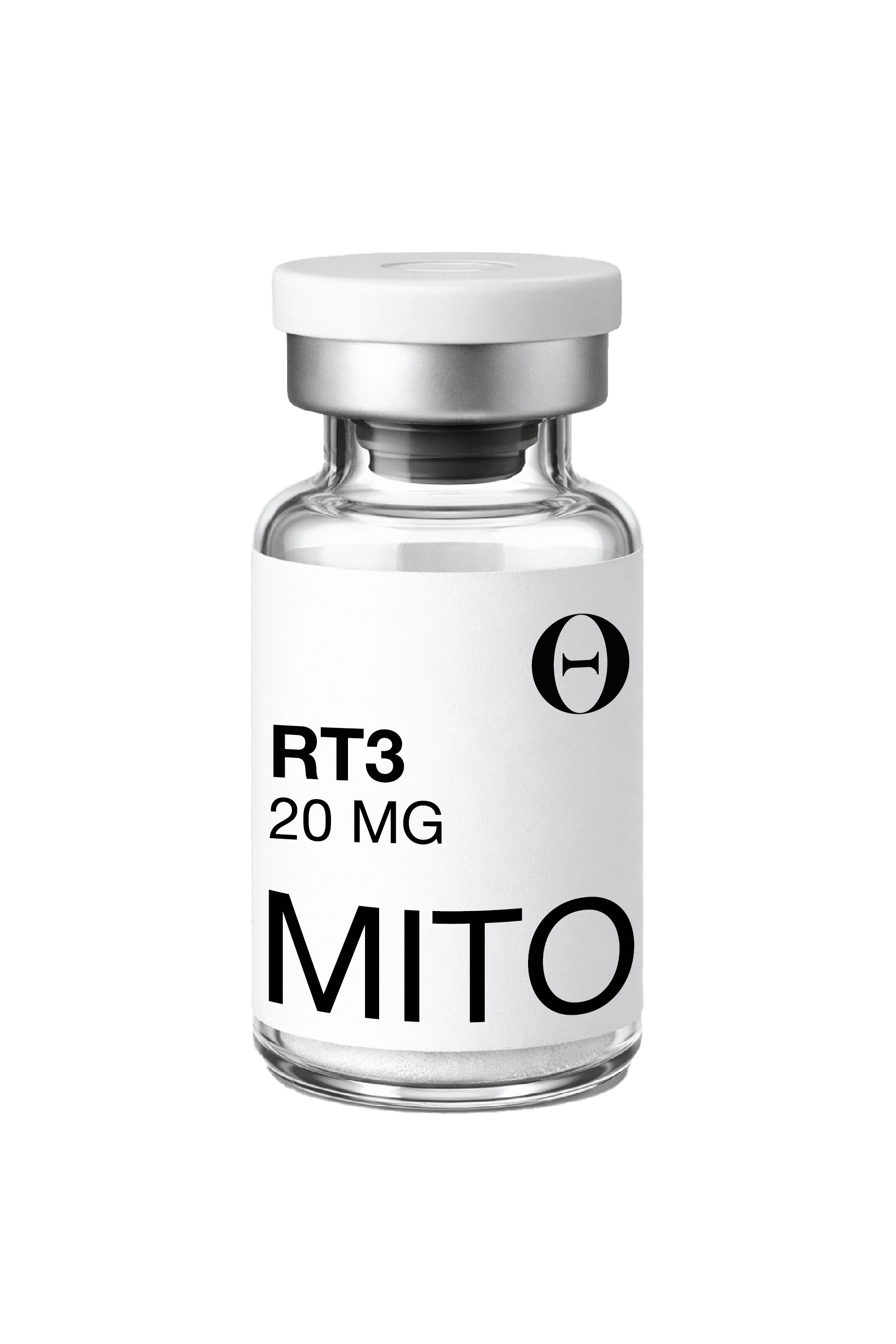
Retatrutide (RT3-GLP) 20mg
Triple hormone agonist (GLP-1/GIP/Glucagon) — higher dose vial for established protocols seeking maximum weight management efficacy.

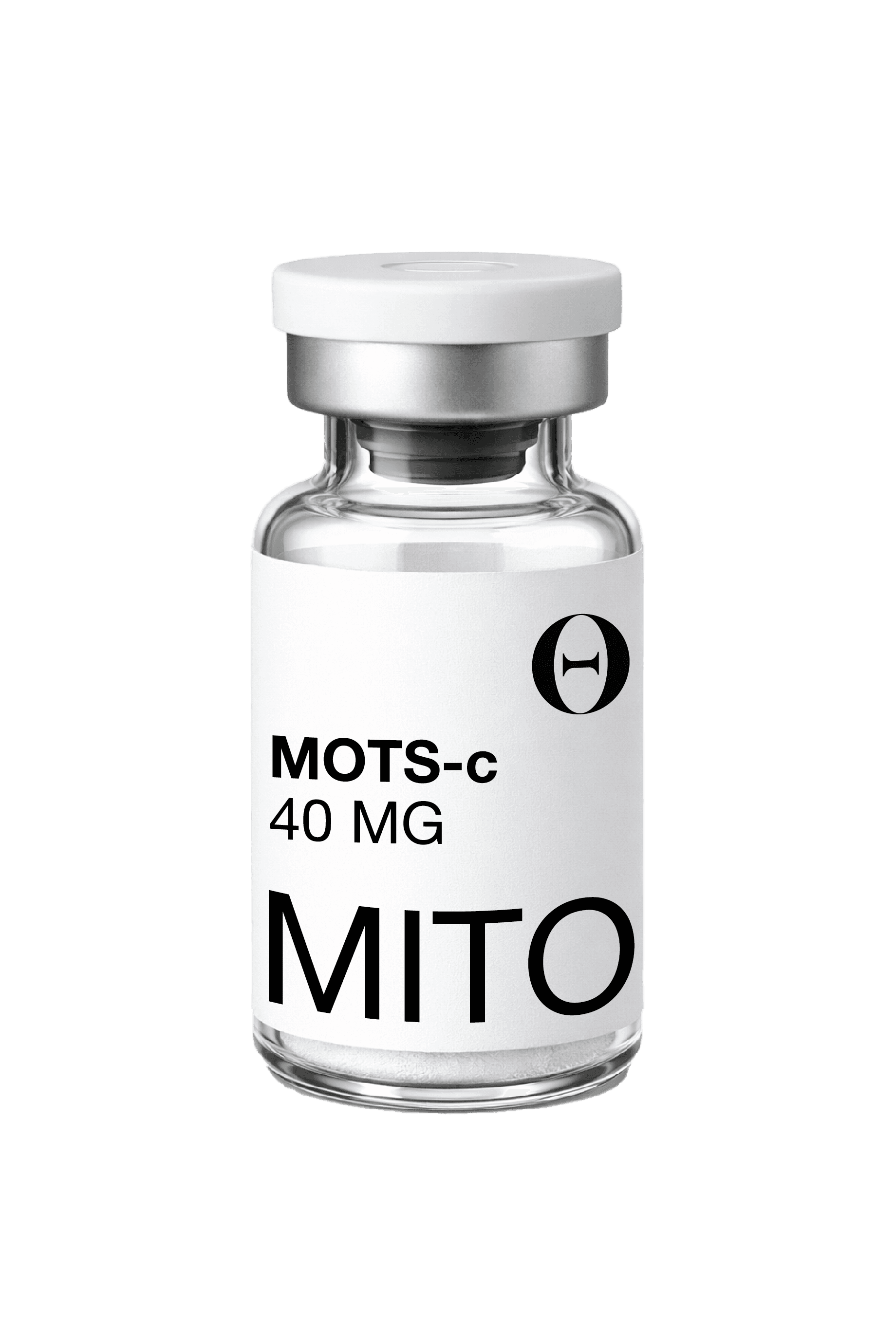
MOTS-C 40mg
Mitochondrial exercise mimetic — AMPK activation, insulin sensitivity, and fat metabolism. Larger dose vial for extended protocols.
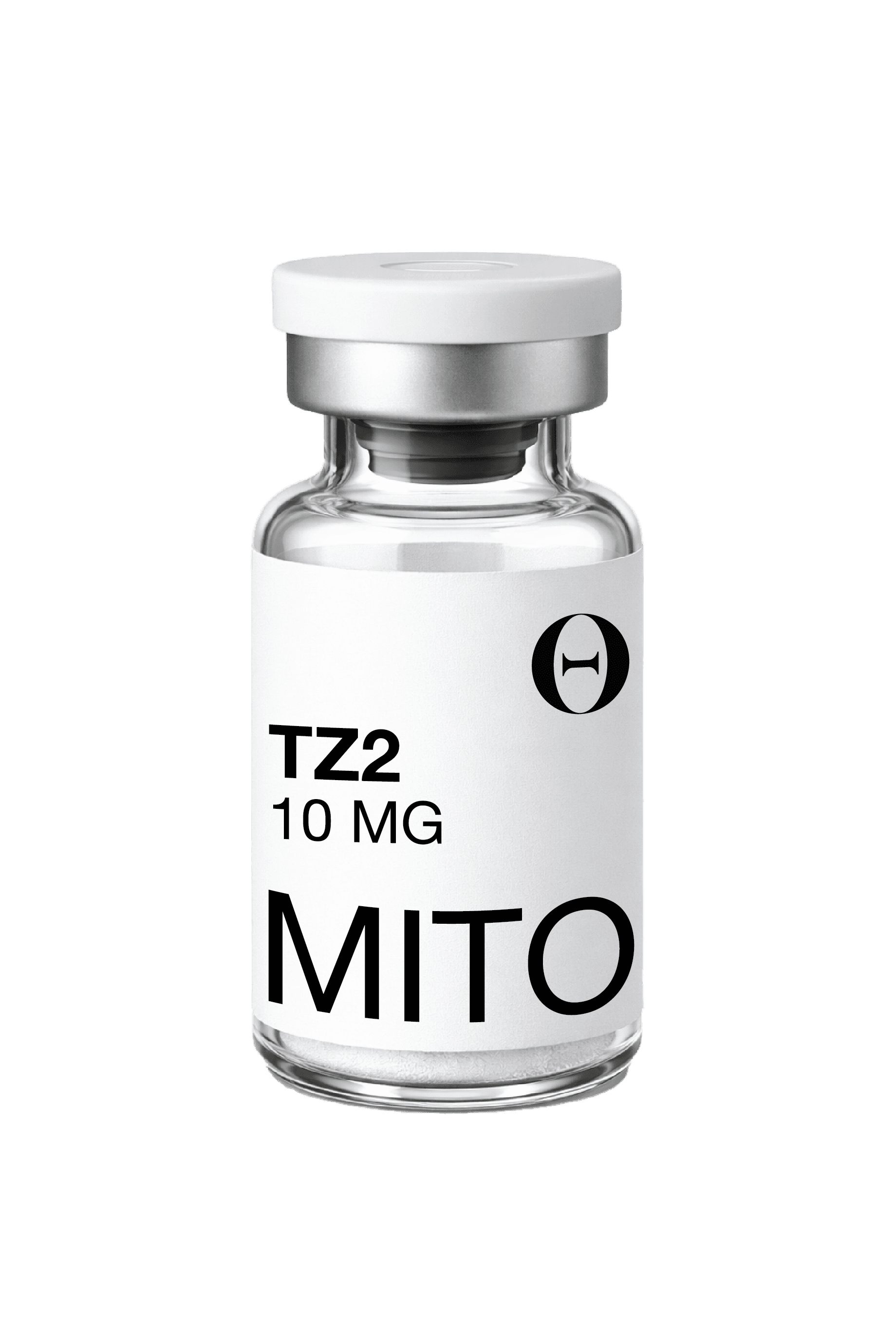
FeaturedTirzepatide 10mg
Dual GLP-1/GIP receptor agonist — up to 22.5% body weight reduction in trials, the most effective approved weight loss compound to date.